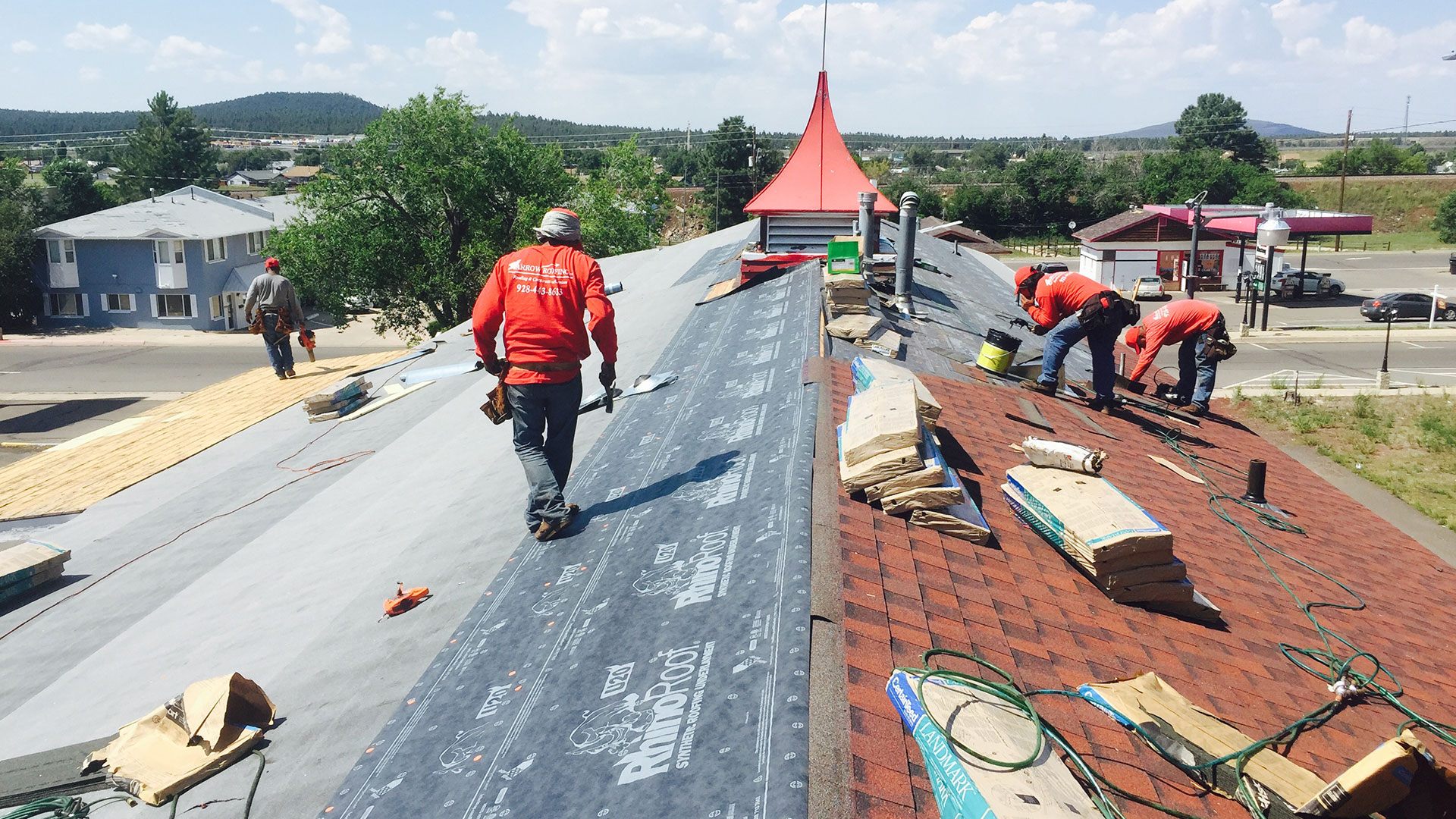







Selecting the right roofing contractor is one of the most important decisions you’ll make as a homeowner. A quality roof installation or repair protects your home for decades, while poor workmanship can lead to costly problems, safety hazards, and endless frustration. This comprehensive guide provides everything you need to know to make an informed choice and avoid common pitfalls.
Why Choosing the Right Contractor Matters
Your roof is your home’s primary defense against weather, and its installation requires specialized skills, proper materials, and adherence to building codes. The difference between an excellent contractor and a mediocre one can mean the difference between a roof that lasts 25 years and one that fails after 10. Beyond longevity, proper installation affects energy efficiency, prevents water damage, maintains structural integrity, and preserves your home’s value.
Unfortunately, the roofing industry attracts both highly skilled professionals and unscrupulous operators. Storm seasons bring “storm chasers” who provide substandard work before disappearing, while year-round, unlicensed contractors offer tempting low prices that ultimately cost more when problems arise. Taking time to properly vet contractors protects your investment and provides peace of mind.
Essential Credentials and Qualifications
Before considering any contractor, verify they meet basic professional standards. These credentials aren’t just formalities—they protect you legally and financially if problems occur.
Licensing Requirements
Most states require roofing contractors to hold valid licenses demonstrating they’ve met minimum competency standards. Licensing requirements vary by location, but generally include passing examinations on building codes, safety practices, and business management. Always verify a contractor’s license is current and in good standing with your state’s licensing board. Be wary of contractors who claim licensing isn’t required in your area—this is rarely true for commercial roofing work and often indicates an unlicensed operator.
Insurance Coverage
Proper insurance is non-negotiable. Contractors should carry both general liability insurance and workers’ compensation coverage. General liability protects you if the contractor damages your property during work, while workers’ compensation covers injuries to crew members on your property. Without these policies, you could be held liable for accidents or damage.
Don’t simply take a contractor’s word that they’re insured. Request certificates of insurance directly from their insurance company, and verify the policies are current and provide adequate coverage limits. Reputable contractors readily provide this documentation without hesitation.
Manufacturer Certifications
Leading roofing material manufacturers offer certification programs for contractors who meet specific training and quality standards. These certifications indicate the contractor has received specialized training in proper installation techniques for particular products. Certified contractors often provide enhanced warranties not available through non-certified installers, adding value to your investment.
Look for certifications from major manufacturers like GAF, CertainTeed, Owens Corning, or others relevant to your chosen materials. These programs typically require contractors to maintain good business standing, carry proper insurance, and demonstrate installation expertise.
Evaluating Experience and Reputation
Credentials establish baseline qualifications, but experience and reputation reveal how contractors perform in real-world situations.
Years in Business
While newer companies can provide excellent service, established contractors with years or decades in business demonstrate stability and commitment to their community. They’ve survived economic fluctuations, built lasting customer relationships, and developed refined processes. A contractor who’s been serving the same area for many years has a reputation to protect and is more likely to stand behind their work.
Consider how long the company has operated under its current name and ownership. Some contractors rebrand frequently to escape poor reputations—a red flag worth investigating.
Local Presence
Local contractors understand regional weather patterns, building codes, and architectural styles. They’re invested in the community and rely on local reputation for continued business. If problems arise after installation, local contractors are accessible for warranty service and follow-up.
Out-of-area contractors, particularly those who appear after major storms, often provide inferior work before moving to the next disaster zone. While some legitimate contractors travel for large projects, be cautious of those with no permanent local presence or verifiable local references.
Reviews and References
Online reviews on platforms like Google, Yelp, and the Better Business Bureau provide insights into customer experiences. Look for patterns in reviews rather than focusing on isolated complaints—even excellent contractors occasionally face dissatisfied customers. Pay attention to how contractors respond to negative reviews, as this reveals their commitment to customer service.
Request references from recent projects similar to yours, and actually contact them. Ask about work quality, communication, timeline adherence, cleanup, and whether they’d hire the contractor again. Drive by completed projects if possible to assess workmanship quality.
Portfolio of Work
Reputable contractors maintain portfolios showcasing completed projects. Review these to assess quality and determine if their style matches your expectations. Before-and-after photos demonstrate the contractor’s capability to handle various challenges and deliver attractive results.
The Estimate Process
How contractors approach estimates reveals much about their professionalism and business practices.
Multiple Estimates
Obtain at least three detailed estimates from different contractors. This provides pricing perspective and allows comparison of proposed approaches, materials, and warranties. Be suspicious of estimates that are significantly lower than others—they often indicate inferior materials, shortcuts, or hidden costs that emerge later.
Detailed Written Proposals
Quality estimates include comprehensive details, not just bottom-line prices. Look for proposals that specify the scope of work, materials by brand and model, labor costs, timeline, payment schedule, and warranty information. Vague estimates make it difficult to compare contractors and leave room for disputes about what’s included.
The proposal should address how the contractor will protect your property during work, handle disposal of old materials, and manage unexpected issues like rotted decking. Clear proposals prevent misunderstandings and demonstrate the contractor’s thoroughness.
In-Person Assessments
Avoid contractors who provide estimates without inspecting your roof in person. Accurate estimates require assessing roof size, pitch, complexity, existing damage, and access challenges. Contractors who quote prices over the phone or based solely on satellite imagery often discover “unexpected” issues that increase costs after work begins.
During the in-person assessment, evaluate the contractor’s professionalism. Do they arrive on time? Do they thoroughly inspect all aspects of the roof? Do they answer questions clearly and patiently? These interactions preview how they’ll handle the actual project.
Red Flags to Avoid
Certain warning signs indicate contractors you should avoid, regardless of how attractive their initial pitch may seem.
Pressure Tactics
Legitimate contractors don’t pressure you to sign contracts immediately. Be wary of those who claim special pricing expires today, insist you must decide now, or use other high-pressure sales tactics. Quality contractors understand that roof replacement is a major decision requiring time and consideration.
Requests for Full Payment Upfront
Standard practice involves payment schedules tied to project milestones—typically a deposit to begin work, a payment when materials arrive or work reaches a certain point, and final payment upon completion. Contractors requesting full payment before starting work may be experiencing financial difficulties or planning to take your money without completing the job.
Offers to Waive Insurance Deductibles
Some contractors offer to waive your insurance deductible or inflate claims to cover it. This is insurance fraud, and participating puts you at legal risk. Deductibles exist for a reason, and legitimate contractors won’t encourage you to commit fraud.
Lack of Physical Address
Contractors should have a verifiable physical business address, not just a P.O. box or cell phone number. A permanent location indicates stability and provides recourse if problems arise. Be especially cautious of contractors operating from out-of-state addresses who claim to be “in your area for a limited time.”
Unusually Low Bids
If an estimate is dramatically lower than others, investigate why. The contractor may be using inferior materials, planning to cut corners, or intending to add charges later. In roofing, as in most industries, you generally get what you pay for. Extremely low bids often lead to poor results and additional costs.
Questions to Ask Potential Contractors
Asking the right questions helps you evaluate contractors effectively and demonstrates you’re an informed consumer.
About their business:
- How long have you been in business under this name?
- Do you have a permanent local office?
- Can you provide current insurance certificates?
- What manufacturer certifications do you hold?
- Are you members of professional associations like the National Roofing Contractors Association?
About the project:
- What specific materials do you recommend and why?
- How long will the project take?
- How many crew members will work on my roof?
- Do you subcontract any work?
- How do you handle unexpected issues like rotted decking?
- What’s included in your cleanup process?
About warranties and follow-up:
- What warranties do you offer on workmanship?
- What manufacturer warranties apply to materials?
- How do you handle warranty claims?
- Will you provide a written warranty document?
- Do you offer maintenance services after installation?
Understanding Contracts and Warranties
Once you’ve selected a contractor, ensure the contract protects your interests.
Contract Essentials
Every roofing contract should include detailed scope of work, specific materials with brand names and model numbers, total project cost with payment schedule, start and completion dates, warranty information for both materials and workmanship, and procedures for handling changes or unexpected issues. Read the contract carefully before signing, and don’t hesitate to request clarification or modifications.
Warranty Coverage
Roofing warranties typically come in two forms. Manufacturer warranties cover material defects and vary from 20 years to lifetime depending on the product. Workmanship warranties cover installation errors and typically range from one to ten years, with longer warranties indicating greater contractor confidence in their work.
Understand what each warranty covers and doesn’t cover, how to file claims, whether coverage is transferable if you sell your home, and what actions might void the warranty. Get all warranty information in writing.
Working with Your Chosen Contractor
Once you’ve hired a contractor, maintaining good communication ensures project success.
Clear Communication
Establish preferred communication methods and response timeframes. Discuss how the contractor will update you on progress and handle questions or concerns. Clear communication prevents misunderstandings and allows quick resolution of any issues.
Project Oversight
While you don’t need to supervise every moment, periodic check-ins ensure work progresses as expected. Don’t hesitate to ask questions or raise concerns—good contractors welcome engaged homeowners who want to understand the process.
Payment Protocol
Follow the agreed payment schedule, but never make final payment until you’ve inspected the completed work, confirmed all cleanup is finished, and received all warranty documentation. Take time to review the finished roof and address any concerns before releasing final payment.
Making the Final Decision
After gathering information, comparing estimates, and checking references, trust your instincts along with the facts. Choose a contractor who demonstrates professionalism, communicates clearly, provides detailed proposals, and makes you feel confident in their abilities.
Remember that the lowest bid isn’t always the best value. Consider the total package including materials quality, warranty coverage, contractor reputation, and your comfort level with the company. A slightly higher price from a contractor you trust often provides better long-term value than saving money with a questionable operator.
For example, established local Springdale roofing companies like Richardson Roofing build their businesses on reputation and long-term customer relationships. They understand that quality work leads to referrals and repeat business, motivating them to exceed expectations rather than simply meet minimum standards.
Choosing a roofing contractor requires research, diligence, and careful evaluation, but the effort pays dividends in quality results and peace of mind. By verifying credentials, checking references, comparing detailed estimates, avoiding red flags, and asking the right questions, you can identify contractors who will protect your home and your investment.
Your roof is too important to leave to chance or to trust to the lowest bidder. Take time to make an informed decision, and you’ll enjoy a quality roof that protects your home for decades to come. The right contractor becomes a valuable resource for your home’s ongoing maintenance and future roofing needs, making the selection process an investment in long-term home care.